In 1967 or 1968, I started to become aware of the work of Alfred Adler and Rudolph Dreikurs, theory that would influence my work for decades to come. I learned about Parent Effectiveness Training and Teacher Effectiveness Training in small classrooms in Holton, Garland, Mitchell, and Pearse Halls. One of these classes positioned Adlerian theory in the context of others such as Piaget; another asked us to consider our emerging roles as teachers in society – were we to become enforcers, social engineers, or guides and co-learners?
 Adler’s work played into my decisions at Lincoln Junior and Senior High School, where I did my student teaching and then joined Milwaukee Public Schools. My first classes as a full-time teacher were in a special federally funded anti-recidivism program for 25 teens returning from detention or incarceration. Another teacher, two aides, and a social worker comprised our team of educators and advisors. On one hand, we had no idea what we were doing. However, we were also doing a dance of give and take with teens who at once needed care and consolation, while also wanting someone and something to push against to find who they were and were not.
My next assignment at James Madison High School had me working with about 150 teens a day in classes in English grammar and literature. Most weeks there classes included a brief segment on Mondays that teed up our learning community for the week; Fridays we concluded with a candid conversation with how we did as a group. Sometimes I was viewed favorably as a teacher and co-learner. Sometimes, not.
When I became a school psychologist and later a psychologist in a large vertically integrated health system, I got a chance to learn Adlerian approaches on the fly. My earlier education emphasized Adler. My graduate education included his work but did not emphasize it. Still, I had the remarkable good fortune to have supervisors versed in theory and practice of community psychology and psychology in the public interest. When I got my first interns to work with, I was fortunate to have a talented one whose program was at the Adler Institute in Chicago, a forerunner of Adler University.
 During the three decades I worked as an instructor in psychology at the University of Wisconsin – Milwaukee, I regularly used Adler as my guide both in instructional methods and in psychological principles applied to practice. I could not have imagined in the 1960s that I would one day be applying what I was learning in the very same rooms in Holton and Mitchell Halls. I was applying Adler’s beliefs about the relevance of feelings of ineptitude and inferiority to bolster students’ sense of achievement and competence, their abilities to walk with greater confidence into their professional lives and fulfillment of personal aspirations.
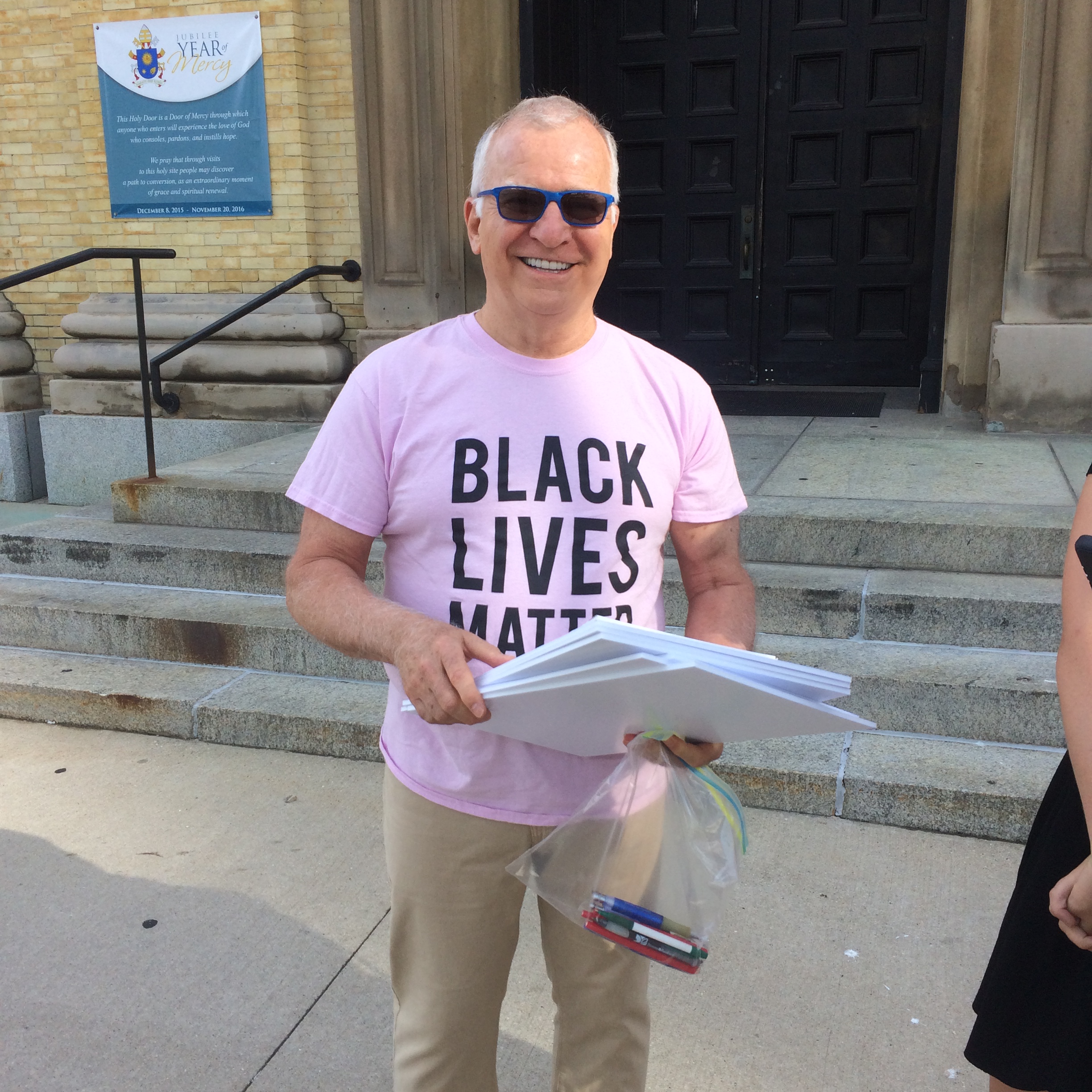
After leaving academia as an instructor, I have continued to explore the early messages of incompetence we receive in childhood. “When you are older,” “Someday you’ll understand,” and my arch nemesis, the song I’m a little teapot – these all contribute to abiding feelings of inferiority, of being too insignificant to do big things. This is one reason I believe that public protest is so important: it reminds one that together we can do a great deal and that individuals flourish in the context of community wellbeing.
In 2010, I had the great fortune to be introduced by a beloved colleague to Dr. Ray Crossman, the President of Adler School of Professional Psychology. We’ve collaborated over the past 13 years in the development and implementation of three strategic plans for what has become an Adlerian university with scores of programs offered on three campuses. With the goal of producing socially responsible practitioners, the University engages communities and advances social justice. The leadership of their Trustees, President, Senior Leaders, Cabinet, Staff, Faculty, and Students is inspiring and exemplifies the institution’s application of social interest.
As I reflect on my upcoming 75th birthday, I am struck by the throughline of Adler’s work in my life and livelihood.
Readers can make a contribution to the work of Adler University here.
 Creating Community for Everyone