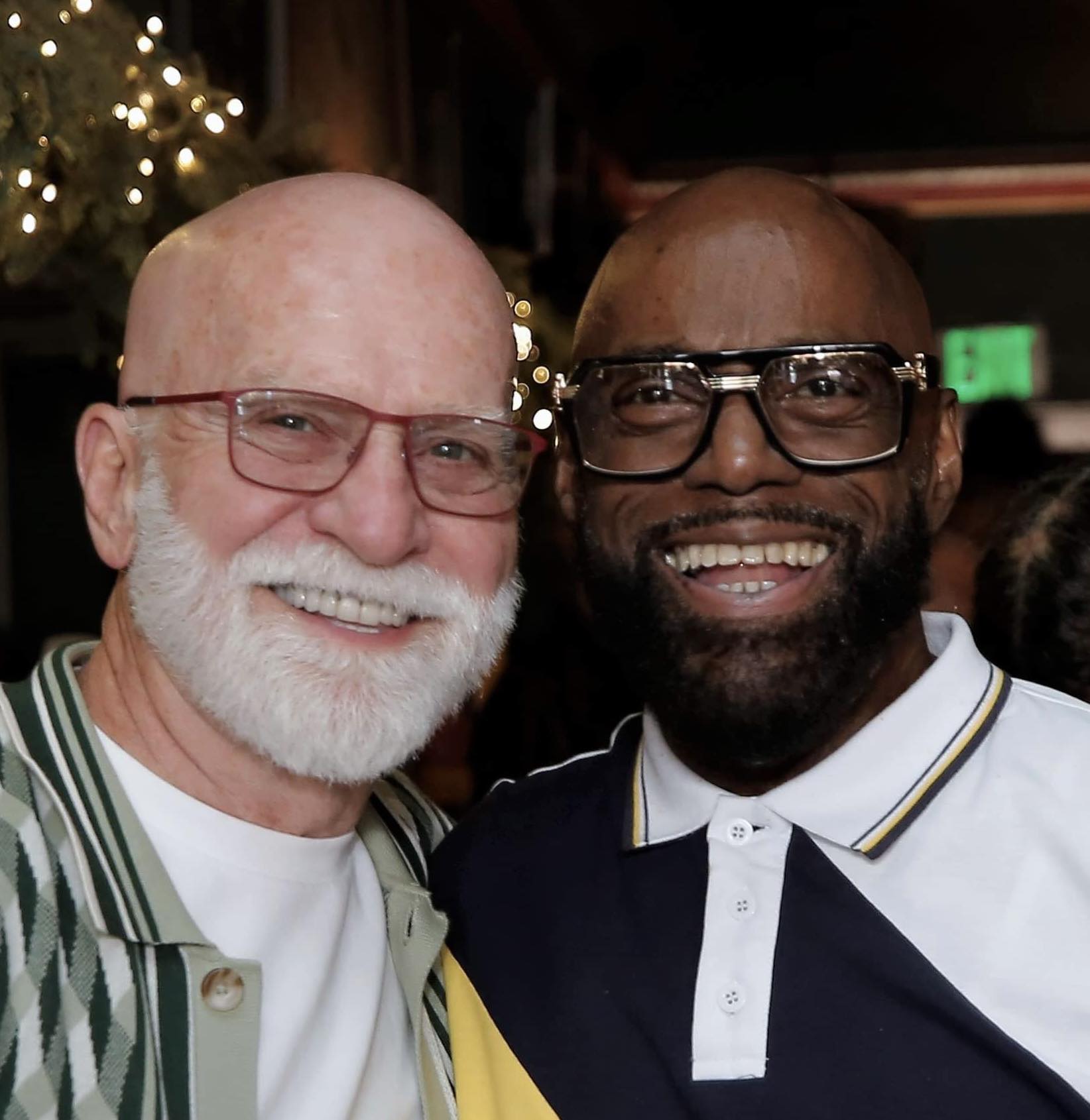
Credit: Pat A Robinson Photography
From a recent podcast, I learned about a phenomenon known as whalefall. When a large whale dies and sinks to the depths of the ocean – rather than being beached, becoming a terrible event to witness and worry over – the falls, or carcasses, quietly provide immediate, intermediate, and long-term benefits to an entire ecosystem.
I listened to Ayesha Rascoe explore the phenomenon with fiction writer Jay Gardiner, each commenting on what it means to live a life worthy of those we leave behind. I listened on a headset while walking through my local park. I listened and cried. Hard.
Without knowing it, they were talking about Ronnie Grace. Without knowing it, they were putting words to the awe-filled moments and memories I experienced since he died. Without meaning to do so, they were making me challenge the notion of worthiness.
When a dead whale sinks to the bottom, its body brings a new food source to many others. First, smaller creatures feed on the soft tissue for months. But, for more than a year, that whole area at the bottom of the ocean is enriched, prompting life and activity. Still later, likely for decades, chemical reactions continue to occur in and around the carcass, providing energy to an interconnected system of sponges, single-cell creatures, and plants. Everything is different because of that one life.
Credit: Pat A Robinson Photography
I have been thinking about the life that Ronnie has left behind. Of course, there is Sidney, Miracle, his brother, nephews, aunties. There are his closest friends, too. And the women in SHEBA. His co-workers at Diverse and Resilient, of course. All the guys in his network. Me.
Ronnie made decisions, lots of them, so it’s difficult to trace the one or ones that I witnessed or which ones came before I met him decades ago, but they were decisions to change us. He decided not to impose, but to impact. He decided to direct, but not push. He decided to lead, but not dictate. He decided to stand up, but not out. Ronnie knew who he was in any room; he was himself.
In his last weeks, Ronnie invited me to his home, came to mine, joined me for a couple events, and — in his way — said good-bye. We went to see a film together, a film about the history of LGBTQ people in Wisconsin, a film that included neither of us. I was shocked to see he was not named in it. He was shocked that I was not. But there we were, in the midst of three rows of people there to celebrate Ronnie, Uncle Ronnie, an important part in all our histories.
In these days since he died, I have cried a bit, but more often I find myself in awe of witnessing such a life. I am also reminded of a book I read in 1980, called The Transit of Venus. It has just been re-issued. A remarkable book by Shirley Hazzard about the lives of two sisters from Australia, it struck me at my first reading that it was perfectly titled. Now, since I have had the enormous pleasure of knowing Ronnie Grace as a friend, the title means even more.
A transit of Venus happens when the planet Venus passes between the Sun and Earth, when we see it as a small dot moving across the face of the sun. These events are rare, but predictable. Venus tracks its pattern of movements roughly every 243 years. The last one was in 2012; the next, in 2117.
I didn’t notice Venus’s visit 11 years ago. And I won’t be around for the next one.
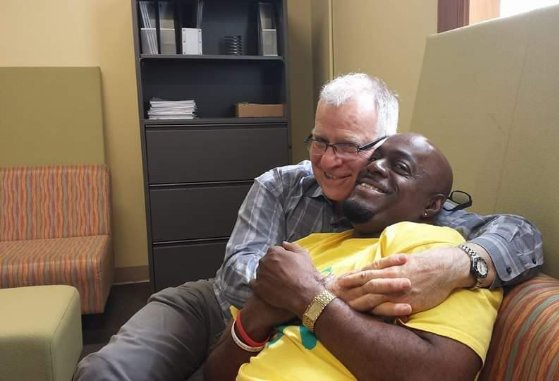
But I am noticing Ronnie’s transit, his periodic insistence that his birthday was really a day earlier than reported on his birth certificate because he knew he ought to have been born on Valentine’s Day. I notice that Ronnie lived a life congruent with the love he had for humans and for the place in which he found himself and found us. I notice the beauty and love he has left us. I notice his decision to be grace for all who witnessed his time here.
 Creating Community for Everyone
What a poetic and loving tribute to someone whose life was so impactful
LikeLiked by 1 person
Beautiful tribute 🙏🏾
LikeLike
So eloquent. So true. Thank you for this tribute ❤️
LikeLike